A Comprehensive Guide for Property Managers and Agents to Secure High-Impact Listing Photos
The Importance of First Impressions
In the fast-paced Las Vegas real estate market, a property listing often has only a few seconds to capture a potential buyer's attention. Professional, high-quality photography is the most critical element of that first impression, as it can significantly increase views, showings, and final sale prices. Selecting the right photographer is a vital business decision; the wrong choice can lead to lackluster images that fail to represent the property effectively.
Why Specialized Real Estate Experience Matters
Real estate photography is a specific discipline that requires a different skill set than wedding or portrait photography. It blends technical precision with an artistic eye for space and composition.
- Technical Mastery: Specialists know how to make rooms feel spacious and bright while maintaining architectural integrity.
- Local Challenges: In Las Vegas, photographers must manage intense desert sun that creates harsh shadows and blown-out highlights.
- Advanced Techniques: Professionals use High Dynamic Range (HDR) blending to ensure clear window views are balanced with interior shadows.
How to Critically Evaluate a Portfolio
A photographer's portfolio serves as their resume and should demonstrate consistent quality across various property types. When reviewing a portfolio, look for:
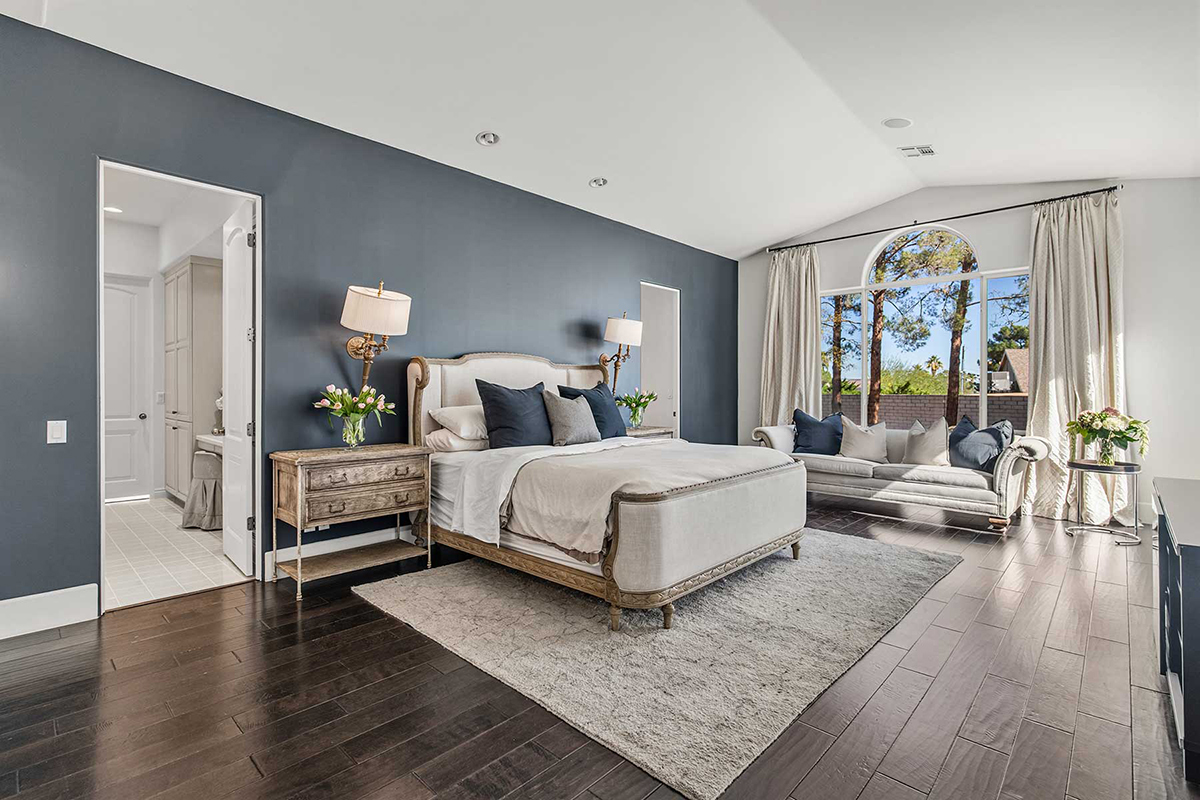
- Composition and Angles: Vertical lines should be perfectly straight; distorted or leaning walls are signs of amateur work.
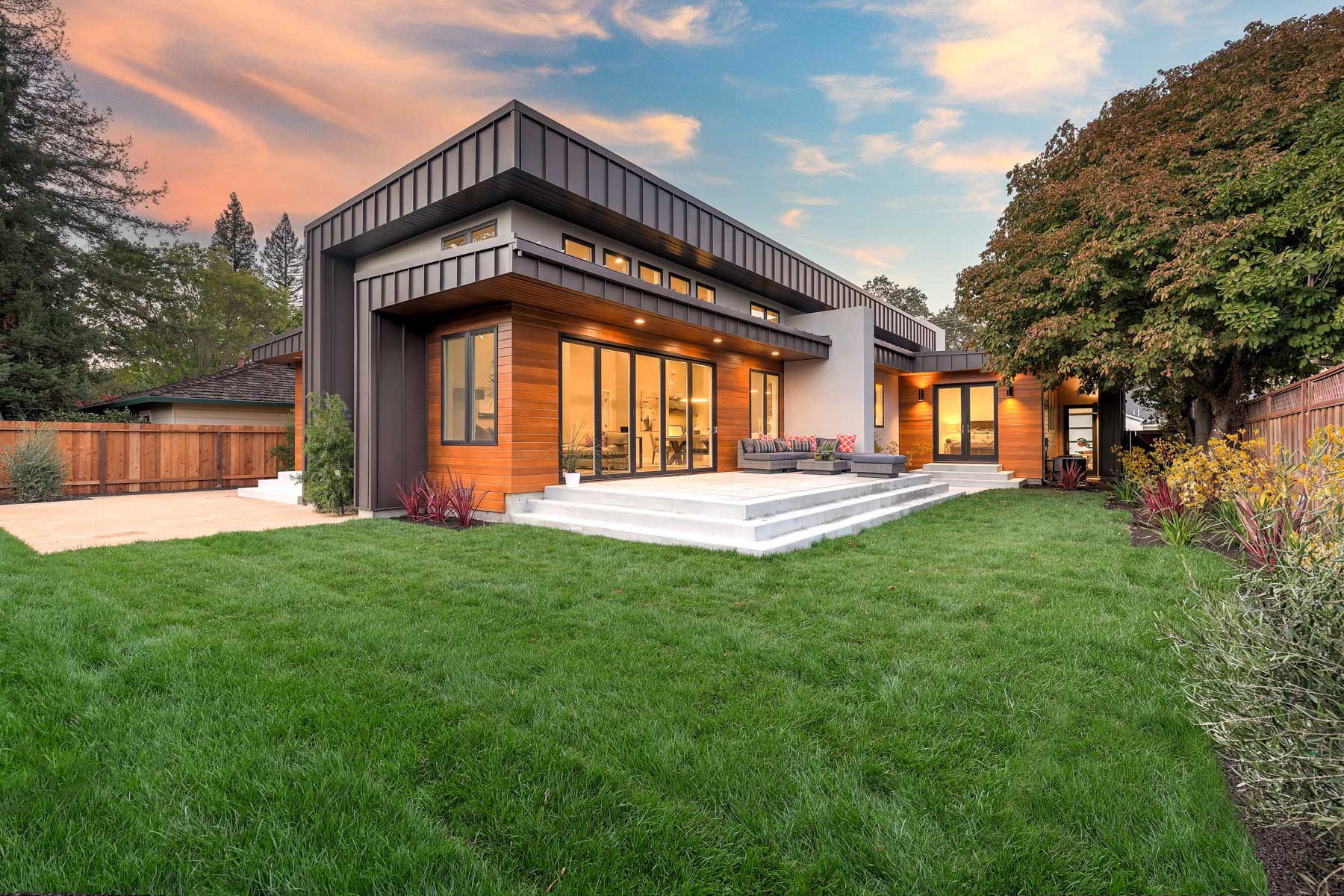
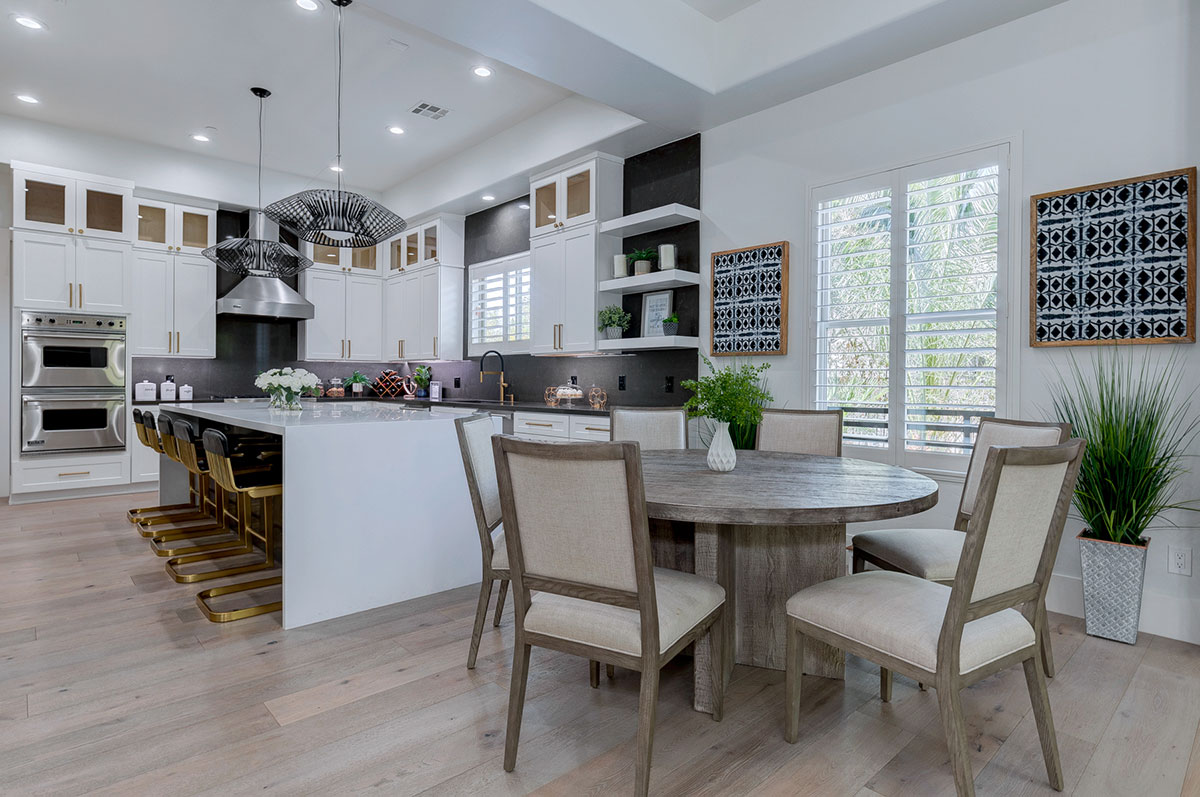
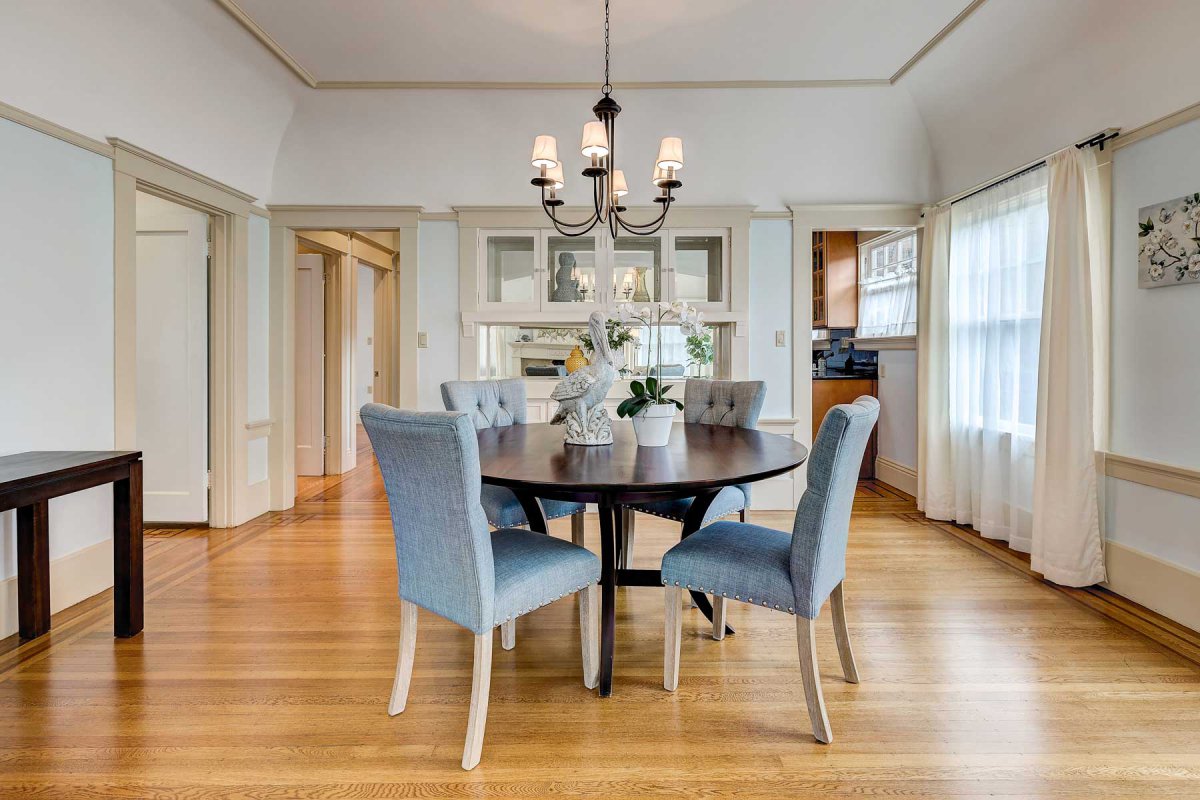
- Lighting and Exposure: Images should be consistently vibrant. The view outside windows should be clear, not a white haze.
- Color Accuracy: Walls, flooring, and cabinetry should reflect their true hues without unnatural yellow or blue casts.
- Sharpness and Detail: Professional equipment ensures images are crisp and clear even on high-resolution displays.
- Consistency: The quality should remain high across different types of properties, from modest condos to luxury estates.
The Right Gear for Professional Results
While talent is vital, professional-grade equipment is necessary for magazine-quality results. A professional setup typically includes:
- Cameras: Full-frame DSLR or mirrorless cameras for superior resolution and low-light performance.
- Lenses: High-quality wide-angle lenses (such as 16-35mm) to capture the full scope of a room without fisheye distortion.
- Stability: A sturdy tripod to ensure sharpness and allow for exposure bracketing.
- Lighting: A kit of off-camera flashes, strobes, and modifiers to illuminate spaces regardless of natural light availability.
A Full Suite of Visual Services
Modern property marketing often requires more than just still photos to remain competitive. Look for providers offering:
- Aerial Drone Photography: Used to show the property's scale and proximity to landmarks like the Strip or golf courses. Photographers must be FAA Part 107 certified for legal commercial operation.
- 3D Virtual Tours: Technologies like Matterport or Zillow 3D Tours allow remote buyers to walk through a property virtually, which helps pre-qualify leads.
- Video Walkthroughs: Cinematic tours highlight the lifestyle and flow of a home, making them ideal for social media engagement.
Vetting Professionalism and Reliability
In a fast-moving market, a photographer's business practices are as important as their creative skills.
- Turnaround Time: The industry standard is 24 to 48 hours, but next-day delivery is preferred to get listings live immediately.
- Professionalism: Evaluate their responsiveness, the simplicity of their booking process, and their punctuality.
- Legal Protections: Ensure the photographer is fully insured with liability coverage and provides clear licensing terms for the images.
Conclusion
Investing in the right Las Vegas real estate photographer is a strategic move for your brand and your clients' success. By focusing on specialized experience, equipment, and professional reliability, you can secure the visual assets needed to make every listing shine.
Photo Gallery
Click any image to view full size